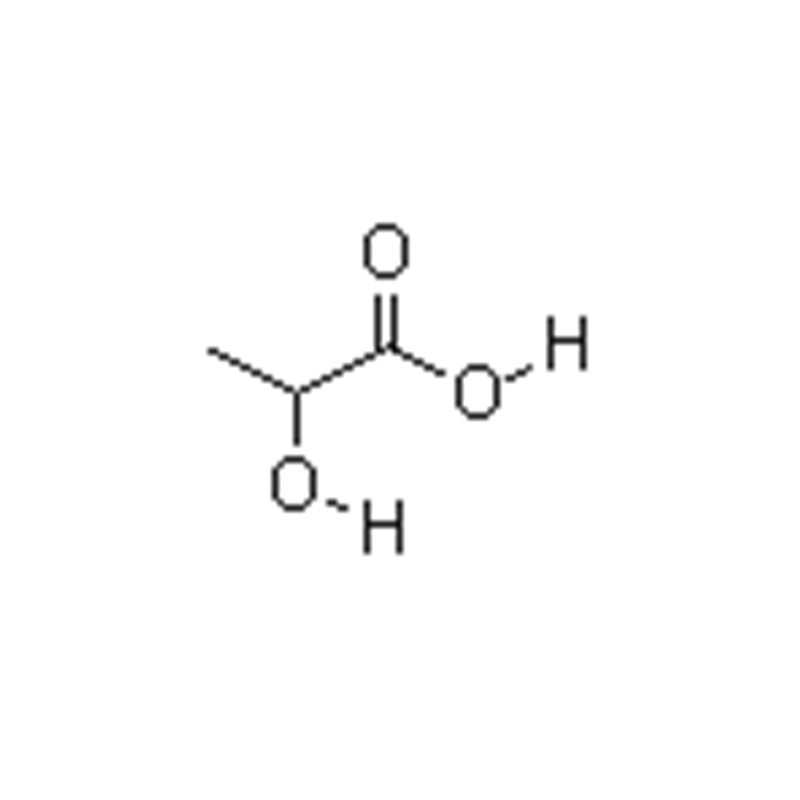
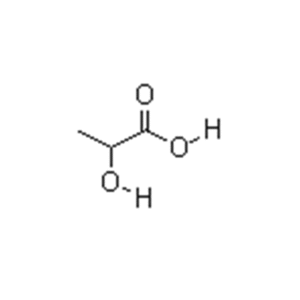
【CAS】598-82-3 الصيغة الجزيئية: C3H6O3 الكتلة الجزيئية النسبية: 90.0705
الصيغة التركيبية: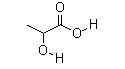
一 一 خاصية المنتج :.
حموضة خفيفة: حمض اللاكتيك له طعم حمضي خفيف ومناسب للتتبيل.
التأثير المضاد للميكروبات: يمكن أن يثبط نمو الكائنات الدقيقة المسببة للأمراض بشكل فعال ويطيل العمر الافتراضي للأغذية.
قابلية الذوبان في الماء: حمض اللاكتيك قابل للذوبان في الماء بسهولة ويمكن خلطه بالماء والإيثانول وما إلى ذلك بحرية، مما يجعله مناسبًا للاستخدام.
二-مؤشر الجودة:
| المعلمة | الوحدة | المواصفات (درجة الغذاء) |
| المظهر | - | سائل عديم اللون أو مائل للصفرة |
| الفحص (C₃H₆O₃O₃) | % (وزن/وزن) | ≥ 80.0 (محلول مائي) |
| الكبريتات (SO₄²-) | % (وزن/وزن) | ≤ 0.005 |
| كلوريد (Cl-) | % (وزن/وزن) | ≤ 0.002 |
| الحديد (Fe) | ملغم/كغم | ≤ 10 |
| المعادن الثقيلة (مثل الروبيان) | ملغم/كغم | ≤ 5 |
| الزرنيخ (As) | ملغم/كغم | ≤ 1 |
| السكريات | - | اجتاز الاختبار (بدون تخفيض) |
| الأحماض المتطايرة (مثل حمض الخليك) | % (وزن/وزن) | ≤ 0.2 |
| البقايا عند الاشتعال | % (وزن/وزن) | ≤ 0.1 |
| السيانيد (CN-) | ملغم/كغم | ≤ 5 |
| الأكسالات (C₂O₄²-) | ملغم/كغم | ≤ 100 |
| الحدود الميكروبيولوجية | - | عدم وجود مسببات الأمراض |
:نطاق التطبيق والاستخدام : ثلاثة.
صناعة الأغذية: يُستخدم حمض اللاكتيك على نطاق واسع في الأطعمة مثل اللحوم والمشروبات وصناعة النبيذ والحلوى والخبز، حيث يمكنه تنظيم مستويات الأس الهيدروجيني وتعزيز النكهة وإطالة مدة الصلاحية.
منتجات الألبان: كعنصر طبيعي، يستخدم حمض اللاكتيك على نطاق واسع في الزبادي والجبن والآيس كريم، مما يعزز النكهة والخصائص المضادة للميكروبات.
منتجات اللحوم: تُستخدم مشتقات مثل لاكتات الصوديوم ولاكتات البوتاسيوم في معالجة اللحوم، والتي يمكن أن تمتص الرطوبة وتمنع نمو البكتيريا الفاسدة. المشروبات: من بين عصائر الفاكهة والمشروبات الغازية، يعمل حمض اللاكتيك كمادة حمضية، مما يعزز الطعم ويحافظ على ثبات المنتج.
:الحزمة والتخزين :العبوة والتخزين :
عادةً ما يتم تعبئة حمض اللاكتيك في براميل بولي إيثيلين عالي الكثافة (HDPE)، 25 كجم/برميل، أو حاويات من الفولاذ المقاوم للصدأ، أو حاويات بلاستيكية IBC من الدرجة الغذائية لمنع التآكل والتلوث. يجب أن تكون العبوة محكمة الإغلاق لتجنب امتصاص الرطوبة والأكسدة.
للتخزين، يجب حفظ حمض اللاكتيك في مكان بارد وجاف وجيد التهوية بعيداً عن أشعة الشمس المباشرة ومصادر الحرارة والمواد غير المتوافقة (مثل المؤكسدات القوية).